
Metal Surfaces Built to Withstand Decades
Corrosion Protection in Midland for tanks exposed to moisture, chemicals, and temperature extremes
The Permian Basin climate accelerates metal deterioration in ways that shorten tank life and increase failure risk. Cavalier Energy Services applies corrosion protection systems to storage tanks in Midland, using epoxy-based coatings engineered for the region's heat, moisture fluctuation, and chemical exposure. Operators managing above-ground storage tanks see rust formation, coating breakdown, and structural thinning when protective barriers fail or were never applied correctly.
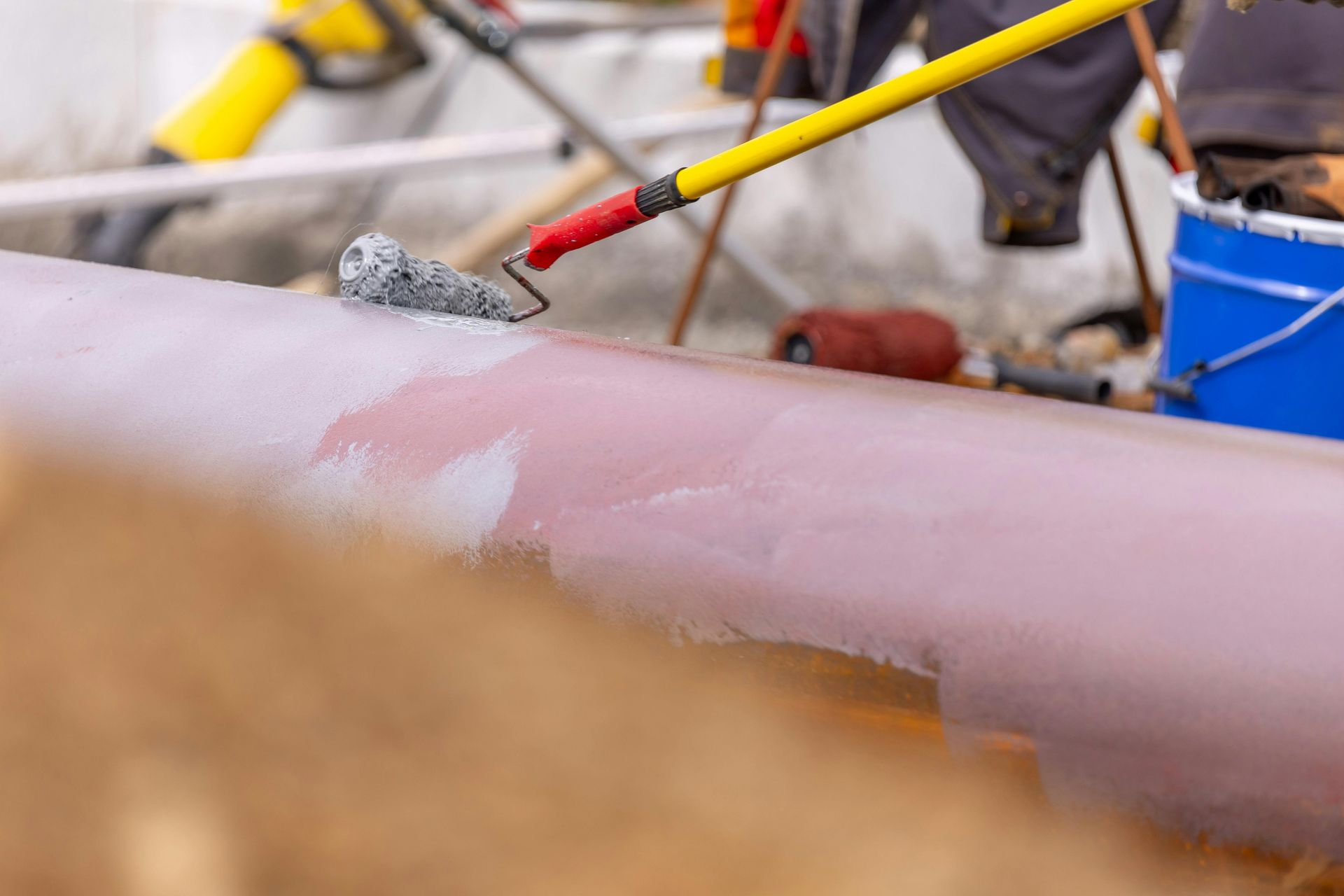
This service involves surface preparation, coating application, and inspection to create a moisture and chemical barrier on metal tank surfaces. The coating systems used are formulated to handle the specific stresses tanks face in oilfield environments—prolonged sun exposure, contact with petroleum products, and temperature swings that cause expansion and contraction. Without this protection, corrosion moves from surface rust to metal loss that compromises tank integrity and triggers regulatory concerns.
Schedule an on-site assessment to evaluate current tank condition and coating requirements.
What Happens When Protective Coatings Break Down
Corrosion doesn't announce itself until metal has already thinned or leaked. The process begins when moisture reaches bare metal through coating gaps, scratches, or areas where the original finish has oxidized and cracked. Once rust forms beneath a coating layer, it spreads laterally under what appears to be intact surface protection, creating hidden weak points that only show up during thickness testing or after a leak develops.
After Cavalier Energy Services completes corrosion protection work, you'll see a uniform coating surface with no pinholes, runs, or thin spots. The finish appears smooth and evenly colored, indicating proper application thickness. More importantly, the tank surface stops shedding rust particles, moisture no longer penetrates to the metal substrate, and the coating withstands abrasion from maintenance activity without exposing underlying steel. Properly applied epoxy systems form a chemical-resistant barrier that doesn't soften or blister when petroleum products contact the surface.
The coating system selected depends on what the tank stores, operating temperature ranges, and whether the tank sees intermittent or continuous use. High-solids epoxy coatings provide maximum chemical resistance but require controlled application temperatures, while polyurethane topcoats add UV stability for tanks in direct sunlight. Surface preparation quality determines how well any coating bonds—inadequate cleaning or profiling leads to early adhesion failure regardless of coating quality.
Questions About Protecting Storage Tanks
Operators often want clarity on how coating systems perform in field conditions and what affects protection longevity.
What makes epoxy coatings suitable for oil storage tanks?
Epoxy systems resist petroleum solvents and form a dense, impermeable film that blocks moisture and chemical migration to the metal substrate, making them ideal for tanks holding crude, condensate, or produced water.
How does surface preparation affect coating performance?
Proper abrasive blasting removes all rust, mill scale, and contaminants while creating a profile that gives the coating mechanical grip on the metal—insufficient prep causes premature coating failure even with premium materials.
When should corrosion protection be applied to tanks in Midland?
New tanks should receive coatings before being placed into service, while existing tanks benefit from protective coatings after cleaning and inspection reveal surface corrosion or when original finishes show cracking and oxidation.
What environmental conditions accelerate coating breakdown?
High heat, UV exposure, chemical contact, and moisture cycling all degrade coatings over time, which is why tanks in the Permian Basin require coating systems formulated for temperature extremes and prolonged sun exposure.
How long do protective coatings last on storage tanks?
Coating lifespan depends on application quality, environmental exposure, and tank usage, but properly applied epoxy systems typically provide ten to fifteen years of protection before requiring maintenance or recoating.
Cavalier Energy Services evaluates each tank's condition, operating environment, and storage contents to recommend appropriate coating systems. Request a tank evaluation to determine which protection approach fits your equipment and operating conditions.