
Surfaces Ready for Coatings That Actually Bond
Surface Preparation & Finishing in Midland for equipment requiring protective coatings and corrosion-resistant finishes
Coating failure usually traces back to inadequate surface preparation rather than coating quality—paint applied over mill scale, rust, or contaminated metal debonds within months regardless of product specifications. Cavalier Energy Services performs abrasive blasting and surface cleaning in Midland to create the profile and cleanliness that coatings need for proper adhesion. Tanks, structural steel, piping, and equipment exposed to weather, chemicals, or moisture require preparation that removes all contaminants and creates mechanical anchor points for coating systems.
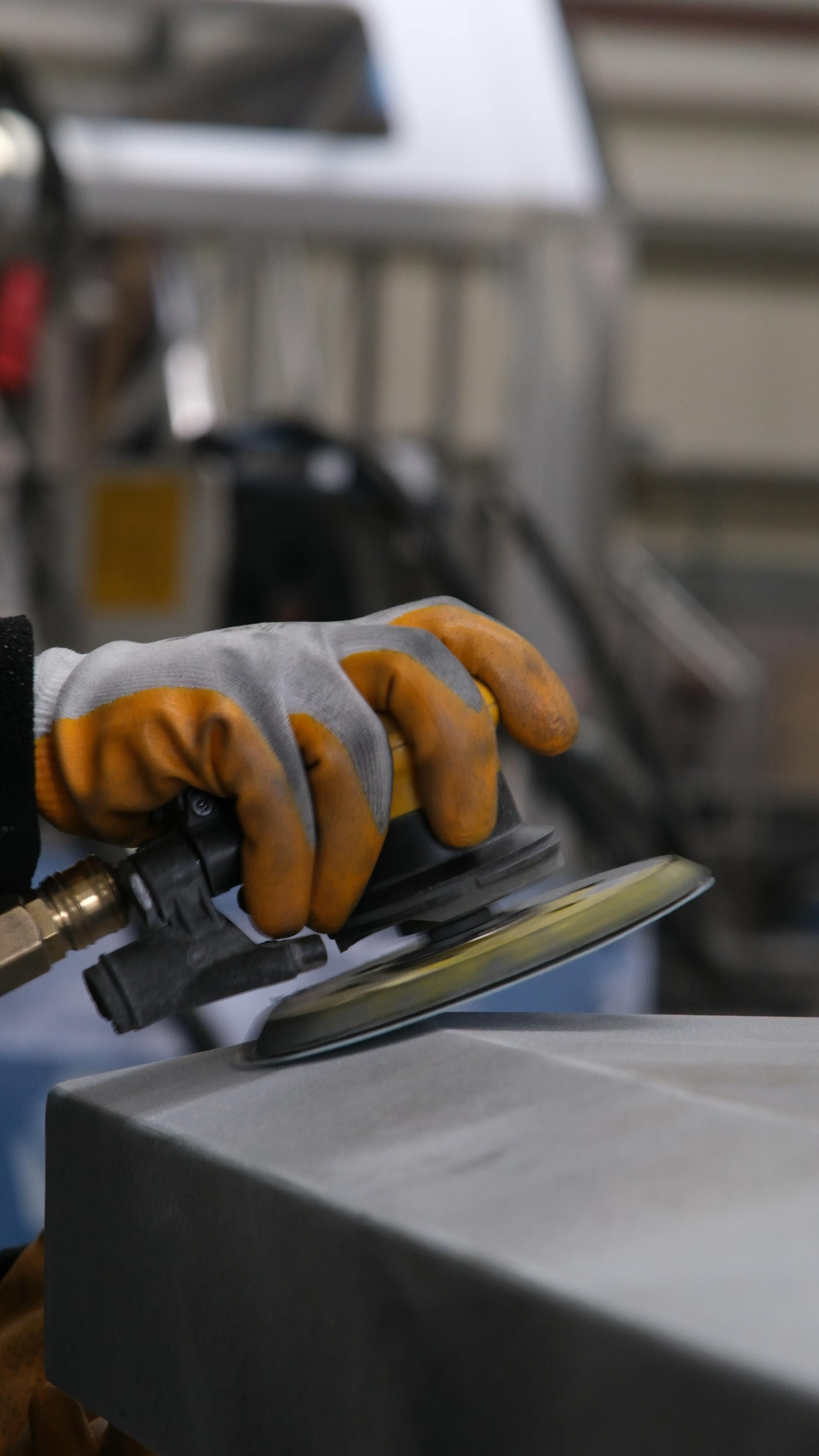
Surface prep involves abrasive blasting to remove rust, old coatings, mill scale, and surface contaminants, followed by profile verification to confirm the texture meets coating manufacturer specifications. The process creates a rough surface pattern that gives coatings physical grip on the substrate while removing everything that would prevent chemical bonding between coating and metal. After preparation, finishing applies the coating systems selected for the specific exposure conditions and performance requirements the equipment faces.
Request a surface evaluation to determine preparation requirements for your coating project.
Why Proper Prep Determines Coating Longevity
The strongest coating system fails if it's applied to contaminated or improperly profiled surfaces. Mill scale—the oxide layer formed during steel manufacturing—looks like solid metal but expands and contracts differently than the base steel underneath, causing coatings to crack and separate. Rust continues growing beneath coatings when surface preparation doesn't remove it completely, pushing the coating film away from the metal. Oil, grease, salts, and dust prevent coatings from making direct contact with the substrate, creating weak spots where moisture penetrates.
After surface preparation and finishing, you'll see uniform coating color with no visible pinholes, holidays, or thin areas. The surface feels smooth to the touch without rough spots or coating runs, and adhesion testing shows the coating cannot be lifted from the substrate with tape or knife. More importantly, the coating withstands the abrasion, chemical contact, and weather exposure it was selected to resist without showing the blistering, cracking, or chalking that indicate premature breakdown.
Different materials and exposure conditions require different preparation standards—steel destined for immersion service needs near-white metal blast cleaning, while equipment seeing atmospheric exposure may perform adequately with commercial blast standards. Coating manufacturers specify minimum cleanliness and profile requirements for warranty coverage, and meeting those standards requires matching abrasive type, blast pressure, and technique to the substrate and coating system.
What You Should Know About Surface Prep
Equipment owners need to understand what separates adequate preparation from shortcuts that lead to coating failure.
What does abrasive blasting actually accomplish?
Blasting removes rust, mill scale, old coatings, and contaminants while creating a textured surface profile that provides mechanical tooth for coating adhesion—power tool cleaning or wire brushing cannot achieve the same cleanliness or profile depth.
How does surface profile affect coating performance?
Proper profile depth allows coatings to anchor into surface valleys while covering profile peaks, creating a mechanical bond that supplements chemical adhesion—too little profile allows coatings to peel, while excessive profile creates peaks that protrude through coating thickness.
What environmental factors affect surface preparation in Midland?
Low humidity in West Texas allows rapid surface oxidation after blasting, requiring prompt coating application before flash rust develops, while wind and dust require containment measures to prevent airborne contaminants from settling on prepared surfaces before coating.
Why do coating specifications require specific blast standards?
Different coating systems need different cleanliness levels and profile depths to perform as designed—epoxy coatings for chemical resistance require near-white metal cleanliness, while some primers tolerate commercial blast standards with lower cost and faster application.
How long do properly applied coatings last?
Service life depends on coating type, exposure severity, and application quality, but high-performance coatings over properly prepared surfaces typically provide ten to twenty years of protection before requiring maintenance.
Cavalier Energy Services matches surface preparation methods to coating requirements and substrate conditions, ensuring the foundation exists for long-term coating performance. Contact us to review your equipment protection needs and appropriate preparation standards.